# Omnichannel Messaging Strategy: Unifying SMS, Email, and Push for Maximum Impact in 2026
In the dynamic landscape of digital marketing, customer expectations are constantly evolving. Today's consumers don't just want to hear from you; they want to engage with you on their terms, through their preferred channels, and with a consistent brand voice. This is where the power of omnichannel messaging comes into play – a sophisticated approach that goes beyond mere multichannel marketing to create a truly unified and seamless customer experience.
At SES Messaging Platform, we've seen firsthand how businesses that strategically integrate their communication channels outperform those that don't. As we look towards 2026, the imperative to connect with customers across every touchpoint – from SMS and email to push notifications – is stronger than ever. This blog post will delve into the intricacies of building an effective omnichannel strategy, highlighting how to maximize impact by seamlessly combining these powerful tools.
Understanding Omnichannel vs. Multichannel Marketing
Before we dive deep, it's crucial to distinguish between two often-confused terms: multichannel and omnichannel marketing.
Multichannel Marketing: A Collection of Channels
Multichannel marketing involves using multiple communication channels (e.g., email, SMS, social media, website) to reach customers. Each channel operates somewhat independently, serving as a separate point of contact. While it offers customers choices, the experience across these channels might not be connected or consistent. For example, a customer might receive an email promotion, then a separate SMS reminder, without these messages being aware of each other or the customer's interaction with the other channel.
Omnichannel Messaging: A Unified Customer Journey
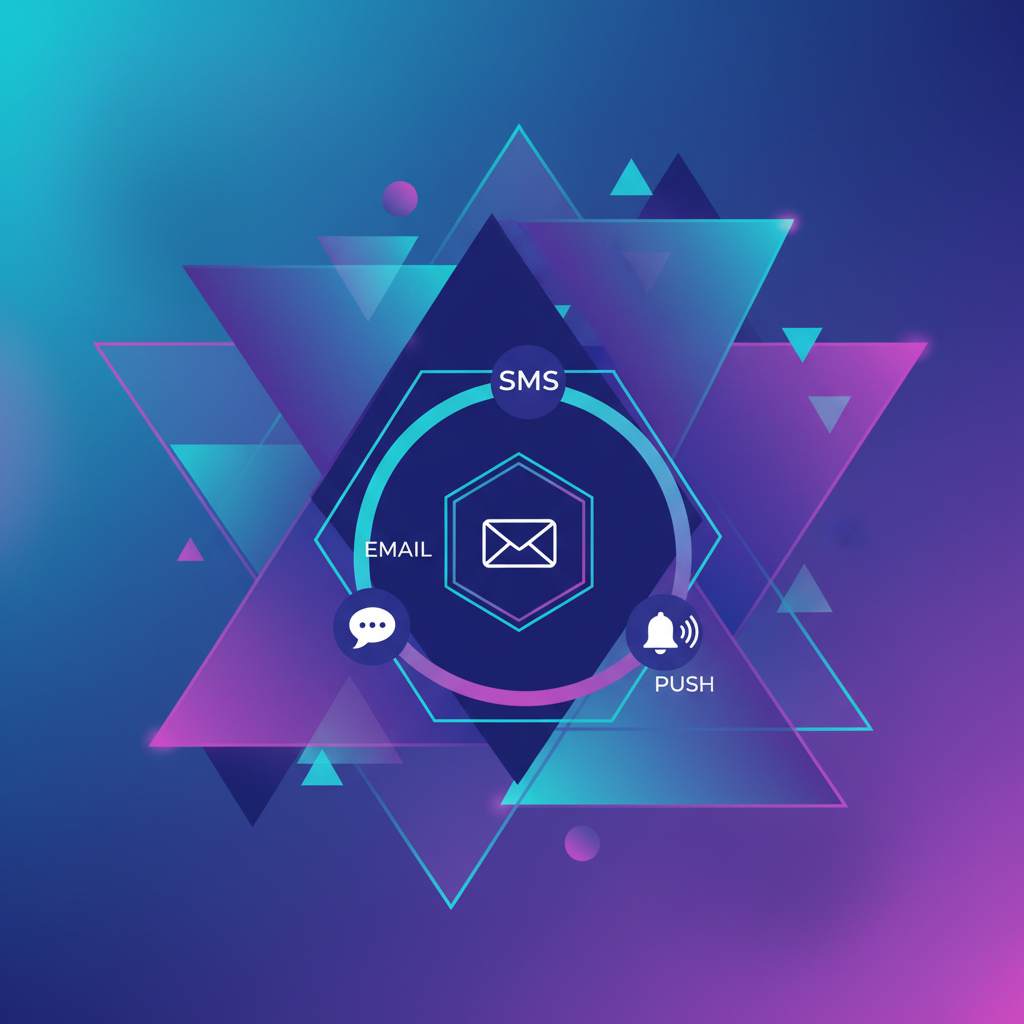
Omnichannel messaging, however, takes this a significant step further. It's about providing a completely integrated and cohesive customer experience across *all* available channels. The focus shifts from the channels themselves to the customer. Every interaction, regardless of the channel, is part of a single, continuous conversation. If a customer clicks a link in an email, their subsequent SMS or push notification can be personalized based on that action. The goal is to create a frictionless journey where the customer feels understood and valued, no matter how they choose to interact with your brand.
Why Omnichannel Messaging is Non-Negotiable for 2026
The benefits of adopting an omnichannel approach are compelling and directly impact your bottom line. Research indicates that companies with strong omnichannel customer engagement strategies retain an average of 89% of their customers, compared to 33% for companies with weak omnichannel engagement. (Source: Aberdeen Group).
1. Enhanced Customer Experience and Loyalty
Customers appreciate consistency. When your brand message, offers, and support are uniform across SMS, email, and push, it builds trust and reduces friction. This leads to higher satisfaction and, ultimately, stronger customer loyalty.
2. Increased Engagement and Conversion Rates
By reaching customers on their preferred channels at the right time, you significantly increase the likelihood of engagement. A well-orchestrated sequence, like an email introducing a new product followed by an SMS reminder for a limited-time offer and a push notification for abandoned cart recovery, can dramatically boost conversion rates.
3. Deeper Customer Insights
An integrated system allows you to track customer behavior across all touchpoints. This holistic view provides invaluable data, enabling more precise segmentation, personalized campaigns, and a better understanding of the customer journey.
4. Improved Marketing ROI
By optimizing channel usage and personalizing messages, you reduce wasted marketing spend. Sending the right message through the most effective channel for each customer segment ensures your resources are utilized efficiently, leading to a higher return on investment.
5. Future-Proofing Your Strategy
As new communication channels emerge, an omnichannel framework allows for easier integration and adaptation. It prepares your business to evolve with technology and customer preferences, ensuring long-term relevance.
The Core Components: SMS, Email, and Push Notifications
Each channel brings unique strengths to your omnichannel messaging strategy. Understanding how to leverage them collectively is key.
A. SMS Marketing: The Power of Immediacy
SMS (Short Message Service) boasts impressive open rates, often exceeding 90% within minutes of delivery. It's ideal for time-sensitive alerts, critical updates, and direct calls to action.
* Best for: Appointment reminders, shipping notifications, flash sales, two-factor authentication, urgent service alerts, quick polls, abandoned cart reminders (when immediate action is desired).
* Key Considerations: Keep messages concise (160 characters), obtain explicit opt-in, respect quiet hours, and provide clear opt-out instructions.
B. Email Marketing: Rich Content and Detailed Communication
Email remains a cornerstone of digital marketing, offering space for rich content, detailed information, and storytelling. It's perfect for nurturing leads, building relationships, and delivering comprehensive updates.
* Best for: Newsletters, product launches, detailed promotions, educational content, customer onboarding sequences, personalized recommendations, loyalty program updates.
* Key Considerations: Focus on compelling subject lines, mobile responsiveness, clear calls to action, segmentation, and A/B testing to optimize performance.
C. Push Notifications: Re-engagement and Real-time Alerts
Push notifications (web and mobile app) are excellent for re-engaging users who are active on your website or app. They deliver short, actionable messages directly to a user's device, even when they're not actively browsing.
* Best for: Abandoned cart recovery, price drop alerts, new content alerts, app feature updates, personalized offers based on in-app behavior, geo-fenced promotions.
* Key Considerations: Be concise and value-driven, allow users to control preferences, avoid over-messaging, and ensure timely relevance.
Building Your Integrated Omnichannel Messaging Strategy: Best Practices for 2026
Creating a truly integrated strategy requires careful planning and the right tools. Here’s how to approach it:
1. Map the Customer Journey
Start by understanding your customer's typical path from awareness to purchase and beyond. Identify key touchpoints and moments where communication can add value. Where do they prefer SMS for quick updates? Where is email better for detailed information? When would a push notification be most effective for re-engagement?
* Example: A customer browses a product (web push notification for similar items) -> adds to cart (email follow-up with benefits) -> abandons cart (SMS reminder with a small incentive after 24 hours) -> completes purchase (email confirmation) -> product ships (SMS shipping update).
2. Centralize Your Data and Platform
To achieve true sms email integration and incorporate push, you need a robust platform that can centralize customer data and orchestrate campaigns across channels. This allows for a unified view of customer interactions and enables seamless automation.
* Actionable Tip: Invest in a comprehensive messaging platform like SES Messaging Platform that offers integrated SMS, email, and push capabilities, along with CRM integration and advanced analytics.
3. Personalization and Segmentation are Key
Generic messages lead to low engagement. Leverage the data collected across all channels to segment your audience and personalize messages. This goes beyond just using a customer's name; it means tailoring content, offers, and even the choice of channel based on their past behavior, preferences, and demographics.
* Example: A customer who frequently opens emails about tech gadgets might receive an email about a new smartphone launch, while a customer who rarely opens emails but always clicks SMS links for sales might get an SMS about a flash sale.
4. Automate Workflows and Triggers
Automation is the backbone of an efficient omnichannel strategy. Set up automated workflows that trigger messages based on specific customer actions or inactions across different channels.
* Common Automations: Welcome sequences, abandoned cart reminders, post-purchase follow-ups, re-engagement campaigns for inactive users, birthday messages, and loyalty program updates.
5. Maintain Consistent Branding and Voice
While the message format might differ, your brand's tone, visual identity (in email), and core message should remain consistent across all channels. This reinforces brand recognition and builds a cohesive brand experience.
6. Test, Analyze, and Optimize Continuously
Digital marketing is an iterative process. Regularly analyze your campaign performance across all channels. Which messages perform best on SMS? What email subject lines drive opens? When are push notifications most effective? Use A/B testing to refine your approach and optimize for better results.
* Metrics to Track: Open rates, click-through rates, conversion rates, unsubscribe rates, time to conversion, and customer lifetime value.
7. Respect User Preferences and Opt-ins
Always prioritize customer consent. Clearly explain what kind of messages they will receive on each channel and provide easy ways to manage preferences or opt-out. Over-messaging or sending irrelevant content can quickly lead to unsubscribes and damage your brand reputation.
Real-World Impact: A Retail Example
Consider an online fashion retailer implementing an omnichannel strategy:
1. Browse: A customer visits the website, browses shoes, and leaves. A web push notification is sent within an hour, showcasing similar shoes and a limited-time discount.
2. Add to Cart: The customer returns and adds shoes to their cart but doesn't complete the purchase. After 3 hours, a personalized email is sent, reminding them of the items, showcasing customer reviews, and offering free shipping.
3. Abandoned Cart Follow-up: If no purchase after 24 hours, an SMS is sent with a direct link to their cart and a gentle nudge about stock running low.
4. Purchase: The customer completes the purchase. They receive an email confirmation with order details and an estimated delivery date.
5. Shipping Update: When the order ships, an SMS notification is sent with tracking information.
6. Post-Purchase: A week later, an email requests a product review and offers a discount on their next purchase, personalized based on their purchase history.
7. Re-engagement: Three months later, if inactive, a push notification (if they have the app) or an email highlights new arrivals relevant to their past purchases.
This seamless flow ensures the customer receives timely, relevant communication through the most appropriate channel at each stage, enhancing their experience and driving repeat business.
The Future of Omnichannel Messaging: What to Expect in 2026
Looking ahead, expect even greater sophistication in omnichannel strategies:
* AI-Powered Personalization: Advanced AI will enable hyper-personalization, predicting customer needs and delivering messages with unprecedented accuracy.
* Conversational AI Integration: Chatbots and conversational AI will seamlessly integrate with SMS, email, and push, providing instant support and personalized interactions.
* Voice and Visual Search Integration: Messaging strategies will need to consider how customers interact via voice assistants and visual search, triggering relevant communications.
* Enhanced Privacy Controls: With evolving privacy regulations, platforms will offer more granular control over data usage and communication preferences, making trust paramount.
Conclusion: Unlocking Your Marketing Potential with Omnichannel
In an increasingly competitive digital landscape, a fragmented marketing approach simply won't suffice. Embracing omnichannel messaging by strategically integrating SMS, email, and push notifications is not just a trend; it's a fundamental shift towards customer-centric marketing that delivers tangible results.
By providing a cohesive, personalized, and seamless experience across every touchpoint, you'll not only meet but exceed customer expectations. This leads to stronger engagement, higher conversion rates, and ultimately, enduring customer loyalty. At SES Messaging Platform, we empower businesses to build these powerful connections. Start unifying your communication channels today and unlock the full potential of your marketing efforts for 2026 and beyond.
Ready to transform your customer engagement? Explore how SES Messaging Platform can help you implement a robust omnichannel strategy.
Anna D.
Marketing Strategist
Anna specializes in multi-channel marketing strategies and campaign optimization. With over 8 years of experience in digital marketing, she helps businesses maximize their outreach through data-driven approaches.